This post was last updated on June 8, 2026
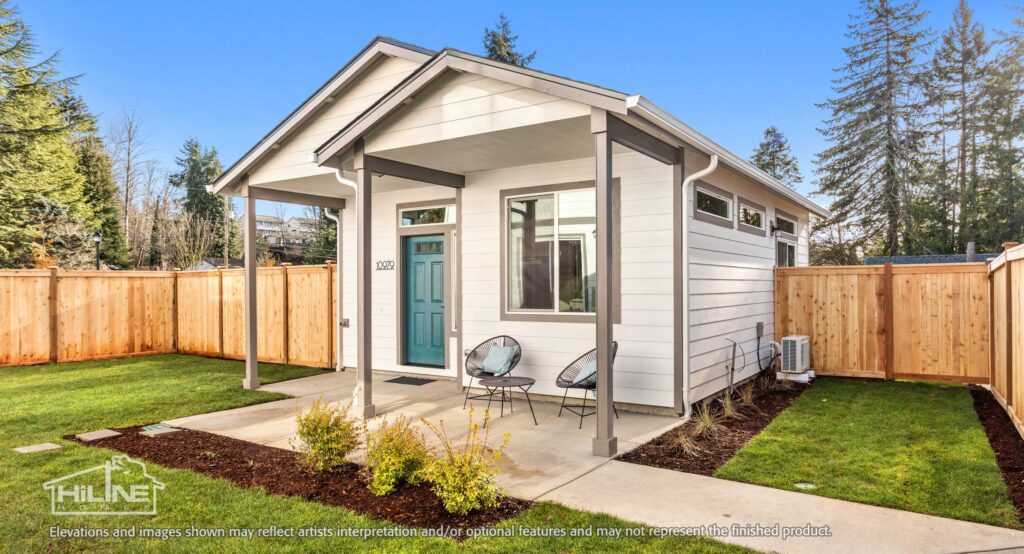
Building a guest house is a practical way to add flexible living space for family, work, or long-term needs—without moving. This article explains what to consider before you build a guest house, from zoning and guest house building codes to financing and site planning, so you can move forward with confidence.
Here’s what you’ll learn:
- Why careful planning makes your guest home more cost-effective and stress-free
- How to determine, “Can I build a guest house on my property?”
- Key steps in guest house construction, including permits and utilities
- What impacts how much does it cost to build a guest house
- How to choose the right floor plan for a backyard guest house
At the mention of “guest house”, you might picture swanky estates and celebrity compounds. But today, building a guest house is a practical, increasingly popular way to add flexible living space for family, work, and long-term plans. Whether you want a private spot for visitors, a quiet home office, or a place for aging parents, a backyard guest house can be a cost-effective solution—when you’re carefully planning from day one.
HiLine Homes helps homeowners turn that idea into a real plan. In this article, we’ll explain what a guest home is, where it can go, what the process looks like, and what factors influence how much it costs to build a guest house.
Can I build a guest house on my property?
In many cases, yes—you can build a guest house on your property, but it depends on zoning, setbacks, utility access, and any HOA or CC&R rules. The best first step is confirming what your local jurisdiction allows and what guest house building codes apply. Once that’s clear, you can plan location, design, and budget with confidence.
Start by checking:
- Zoning and allowed use (ADU, guest home, accessory structure)
- Setbacks (distance from property lines, wells, septic, and other buildings)
- Maximum size/height limits
- Parking requirements
- HOA restrictions (if applicable)
- Utility connection rules (water, sewer/septic, electrical)
A Home Consultant can help you organize your questions and map out what to confirm before you spend time on plans.
What is a guest house (and how is it different from an ADU)?
A guest house is a smaller home or cottage-style space that adds extra living space on your property. Some guest homes are designed for short-term occupancy or family use, and some are indeed ADUs. ADUs may have additional rules related to independent living. Your local building department will define what’s allowed and what codes apply.
Guest houses go by many names—guest home, cottage, tiny home, granny flat—but they share the same goal: creating flexible space without moving. Some homeowners use a guest home for visiting family. Others want a dedicated office, hobby space, or a private retreat for teens or adult kids.
Common ways homeowners use a guest house:
- A place for out-of-town guests
- A mother-in-law suite for aging parents
- A work-from-home office that feels separate from the main house
- A teen hangout or game/movie space
- A quiet studio for hobbies, fitness, or art
Where should you build a guest house in your backyard?
The best spot for a backyard guest house depends on your goals, privacy needs, and practical site factors like utilities, access, slope, and drainage. You’ll also need to follow guest house building codes for setbacks and placement. Choosing a location early helps you avoid redesigns and keeps guest house construction moving smoothly.
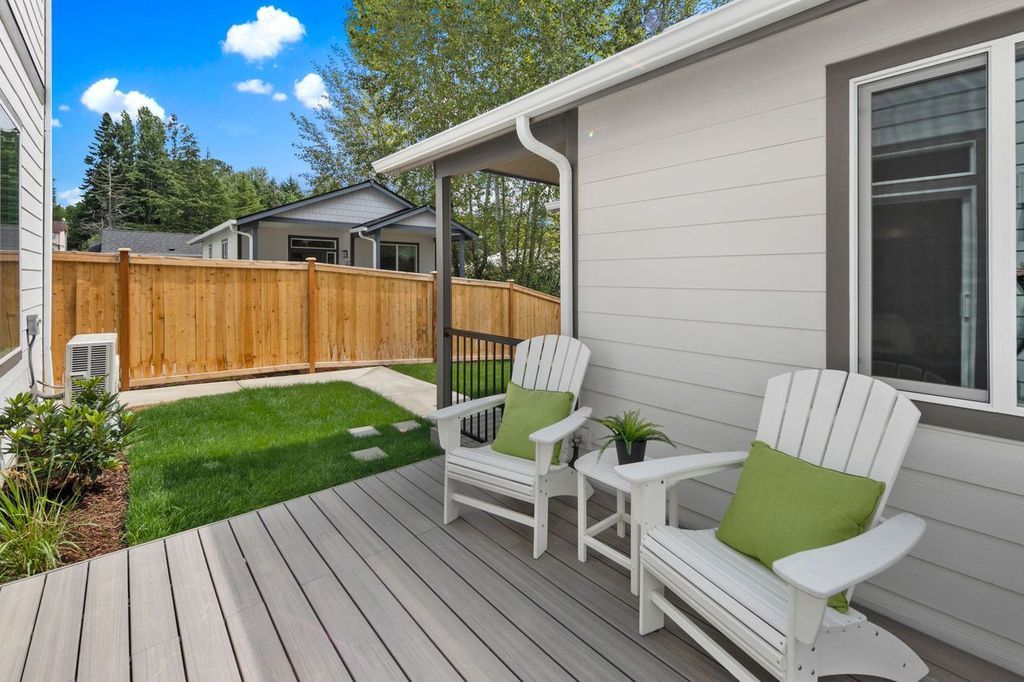
If you want to build a guest house in your backyard space, don’t just pick the prettiest corner. Think about how the space will function day-to-day and what it will cost to build there.
Key location factors to evaluate:
- Privacy and views (for guests and the main home)
- Access (driveway, path, deliveries, emergency access)
- Distance to utilities (power, water, sewer/septic)
- Topography (slopes can increase grading and foundation costs)
- Drainage and environmental constraints
- Noise and lighting (near roads, barns, shops, or neighbors)
Tip: If utilities are far from the planned site, costs can rise quickly—so location can directly affect how much it costs to build a guest house.
How do you build a guest house step-by-step?
To build a guest house successfully, follow a clear process: confirm local rules, choose a plan, line up financing, and prepare the site before construction begins. Guest house construction isn’t a “drop it in the yard” project—careful planning and the right team help you avoid delays, surprises, and budget creep.
Here’s a simple step-by-step path that keeps the process manageable:
Step 1 — What do guest house building codes require?
Guest house building codes vary by jurisdiction, so start with local zoning, setbacks, and permitted uses. Confirm size limits, utility requirements, parking rules, and occupancy guidelines. Knowing the rules early prevents wasted design work and makes the rest of the process—permits, site planning, and construction—much smoother.
When you check with your city or county building department, gather property details such as:
- Parcel number
- Zoning
- Lot size
- Utility locations
- Environmental constraints
- Septic requirements and utilities
This info helps you confirm what’s feasible and what approvals you’ll need.
Step 2 — What should you consider when choosing a floor plan?
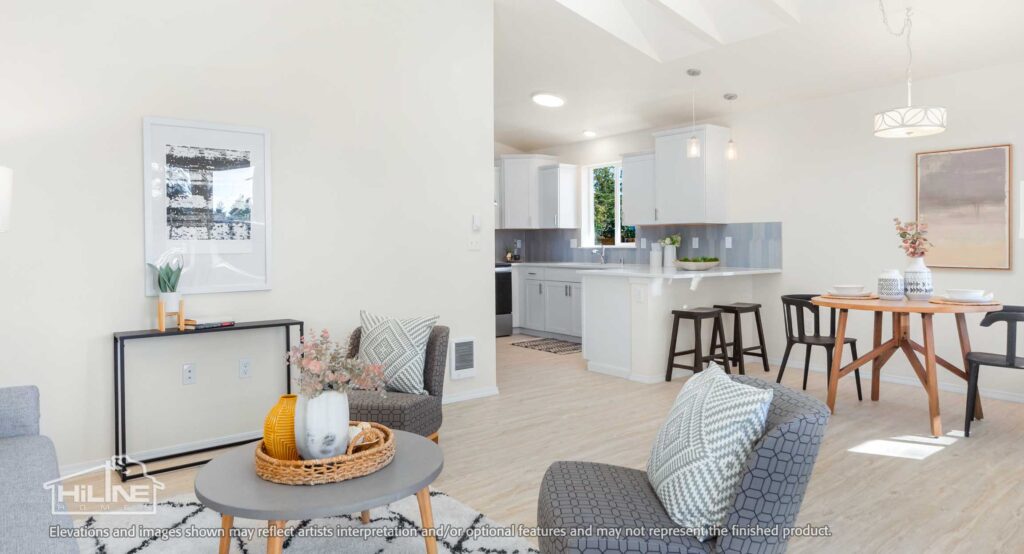
The right floor plan makes a small guest home feel comfortable and functional. Think about how guests move through the space, storage needs, and privacy. Even if it’s primarily for visitors, you’ll want the layout to work for everyday use—especially if the space may evolve over time.
Look for features that support flexibility:
- Efficient kitchen and dining area
- Comfortable sleeping and lounging zones
- Bathroom placement that feels private
- Storage for linens, seasonal gear, or supplies
- Optional laundry or outdoor living space
Step 3 — How do you finance a guest house?
Financing can shape your timeline and your options, so start by getting pre-qualified and estimating your total project costs. Depending on your situation, you may explore construction loans or other financing options. HiLine Homes can connect you with approved lenders who may offer up to 100% financing.
Taking it one step at a time helps reduce stress:
- Get pre-qualified
- Choose a realistic budget range
- Select a floor plan
- Confirm site costs (utilities, permits, prep)
- Move forward with your build plan
Step 4 — Who should build your guest house?
Choosing HiLine Homes is essential because guest house construction must meet local codes and pass inspections, and we’re the team with experience in your area, strong communication, and a reliable process. The goal is a smooth build with fewer delays, clear expectations, and consistent quality.
When evaluating builders, consider:
- Knowledge of local codes and permitting
- Quality of materials and workmanship
- Timeline reliability
- Communication and transparency
- Overall affordability and efficiency
How much does it cost to build a guest house?
The cost of building a guest house varies widely based on the home plan, property conditions, and utilities. If you’re wondering “how much does it cost to build a guest house,” the best approach is reviewing total project costs—home, site prep, permits, and utility work. A consultation helps clarify realistic ranges.
Costs can change depending on:
- Size of the guest home
- Utility availability (already on site vs. extended to the build area)
- Septic/sewer requirements
- Clearing, grading, and driveway access
- Local permitting and inspection requirements
HiLine Homes’ building program is designed to be cost-effective by clarifying homeowner responsibilities and helping you plan site preparation. That can reduce overall build costs and support stronger equity growth.
What are HiLine Homes’ guest home options?
HiLine Homes offers home plans that work well as guest homes, including smaller footprints that still include the essentials. If you want an attached option or more space for independence, your Home Consultant can help match a plan to your goals and your property—then review feasibility, timeline, and next steps.
HiLine Homes offers over 50 plans, including options that fit guest home needs. Some homeowners want a compact retreat. Others want extra features like laundry or storage.
Examples of guest-friendly options include:
- Smaller plans designed for efficient living space
- Attached options (when purchased with a main plan) for convenience
- Slightly larger plans with added storage and outdoor living flexibility
What is the HiLine Homes experience like?
HiLine Homes focuses on clear communication, quality materials, and a construction process built around informed decisions. Every guest home is built on your lot to meet or exceed local building codes. With standard features and customization options, you can tailor your backyard guest house while staying involved and building equity.
Not sure where to start? That’s common. HiLine Home Consultants can help you build on land you already own—or support you while you search for the right property.
FAQ: Guest House Builds
Can I build a guest house in my backyard?
Often yes, but you must confirm zoning, setbacks, and guest house building codes in your area. HOAs may also restrict placement or size. Start by contacting your local building department, then work with a Home Consultant to plan layout, utilities, and a cost-effective approach to guest house construction.
Is building a guest house cost-effective?
It can be, especially when you’re adding flexible living space for family, work, or long-term needs. Also, when you already own the land, it takes a lot of the cost out of the picture. The key is careful planning around utilities, site prep, and the right floor plan. Reviewing total project costs upfront helps you avoid surprises and keep the project aligned with your budget.
What should I do first to build a guest house?
Begin by confirming what your local jurisdiction allows and what codes apply. Next, choose a location on your property and estimate utility and site prep needs. Then schedule a consultation to review floor plans, financing options, and next steps for a smooth, successful build.